

Can You Run a Generator in the Rain? Manufacturer Guidance
Posted by Justin Manteuffel and Brian Thomas on Jul 30th 2026
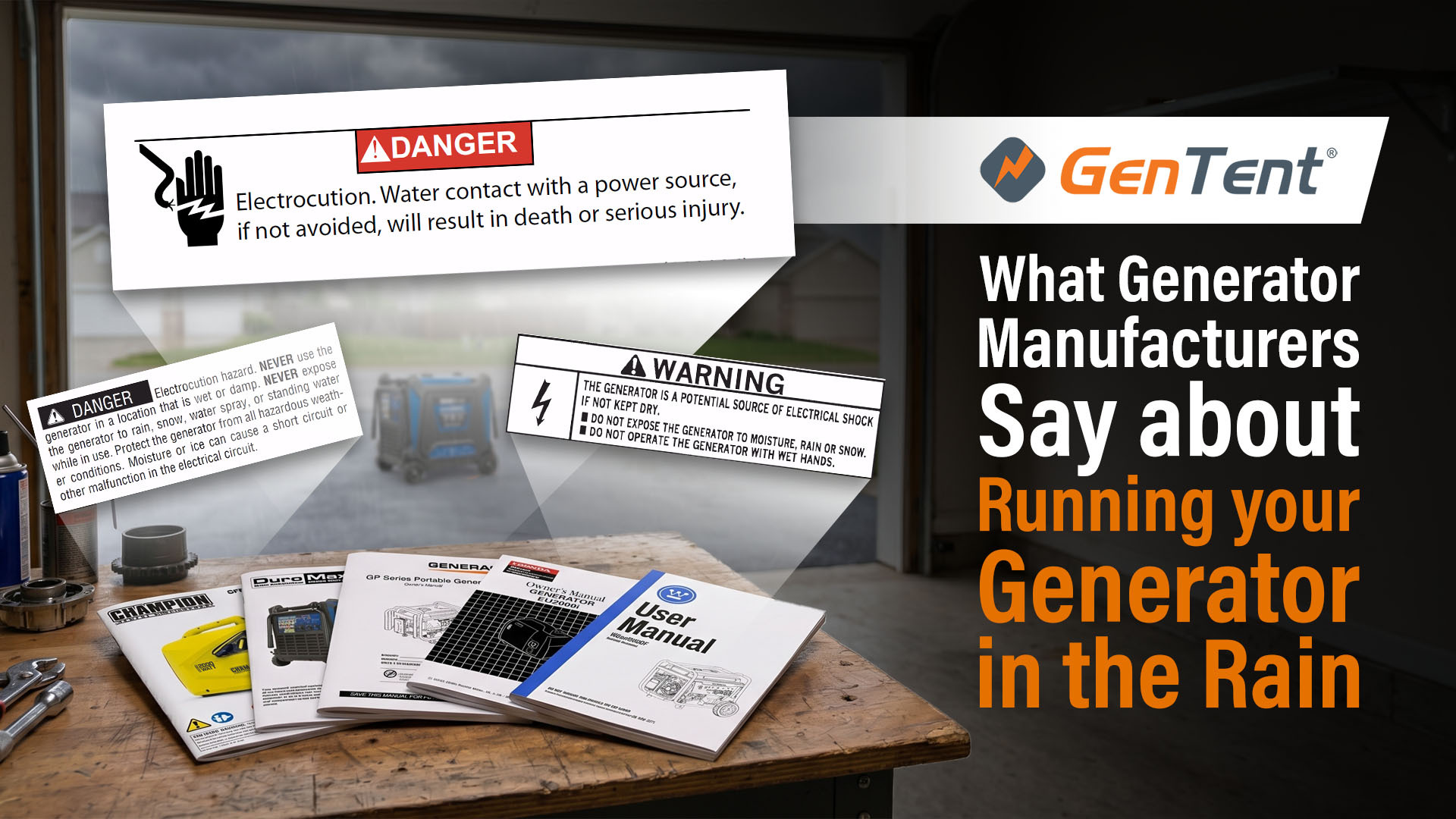
What Do Generator Manufacturers Say About Running Your Generator in the Rain?
Power outages are a stressful reality of severe storms, winter blizzards, hurricanes, and extended outage events. When the lights go out, homeowners rely on portable generators to keep refrigerators running, medical devices powered, and heating or cooling systems active.
However, this reliance creates a dangerous safety dilemma. You must run your generator outdoors to reduce the risk of lethal carbon monoxide poisoning, but running high-voltage electrical equipment outdoors in rain, snow, or wet conditions can create risks of equipment damage, short circuits, corrosion, and electrocution.
Because standard home generators commonly produce 120V to 240V, water and live electrical components are a dangerous mix. Wet hands, wet cords, wet ground, exposed outlets, and moisture inside the control panel can all increase the risk of electrical shock or equipment failure.
To help make sense of this safety challenge, we reviewed official guidance from several major generator manufacturers. The message is consistent: do not ignore wet-weather warnings, do not operate in unsafe locations, do not block airflow or exhaust, and do not rely on improvised covers that can create new hazards.
Manufacturers are not listing these warnings by accident. They want customers to operate generators safely. The correct answer is not to move a generator into a garage, under a porch, or closer to the home. The correct answer is to follow the owner’s manual, keep the generator outdoors and away from openings, maintain airflow and exhaust clearance, and use weather protection designed for running generators.
Brand-by-Brand: What the Manufacturers Are Saying
While each manufacturer uses its own language, the safety message follows the same pattern. Portable generators should be operated outdoors, positioned away from homes and openings, protected from unsafe wet-weather exposure, and used in a way that preserves airflow, cooling, exhaust clearance, and access to controls.
That is why brand guidance matters. If a manufacturer warns against rain, snow, moisture, shock hazards, homemade covers, enclosed spaces, or blocked ventilation, those warnings should be treated as part of the safe-use instructions, not as optional fine print.
Generac Power Systems
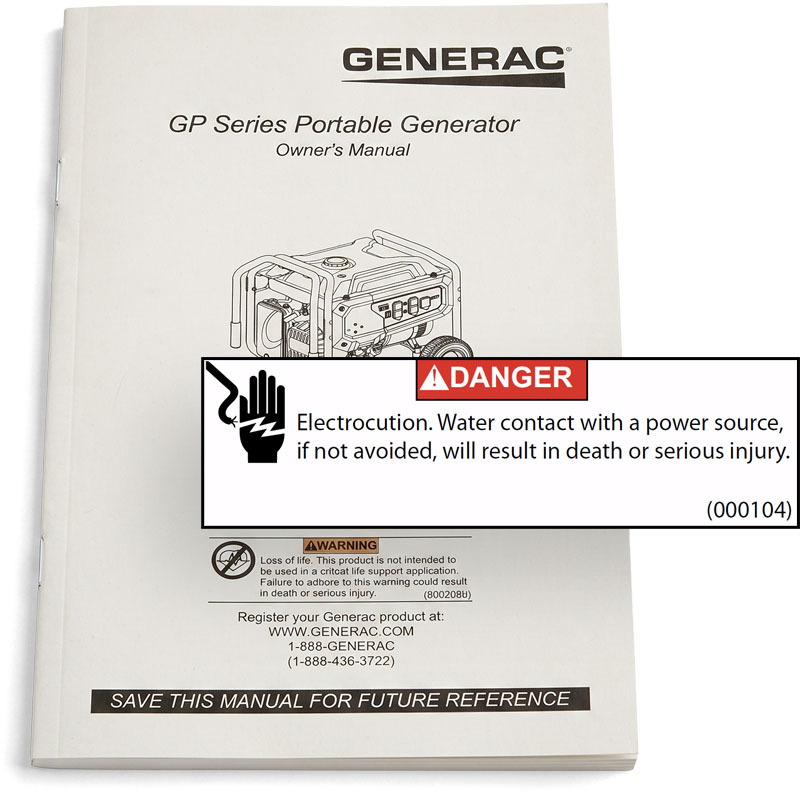
Generac’s official safety guidance reinforces both sides of the portable generator safety problem: the generator must be operated outdoors with plenty of ventilation, but it also needs to be protected from moisture, rain, and snow. That means safe generator placement and wet-weather protection need to work together.
“Be sure to set your portable where it will be protected from moisture, rain and snow.”
“Never run the generator indoors, in a garage or in an enclosed area. Portable generators are designed to run outside where there is plenty of ventilation.”
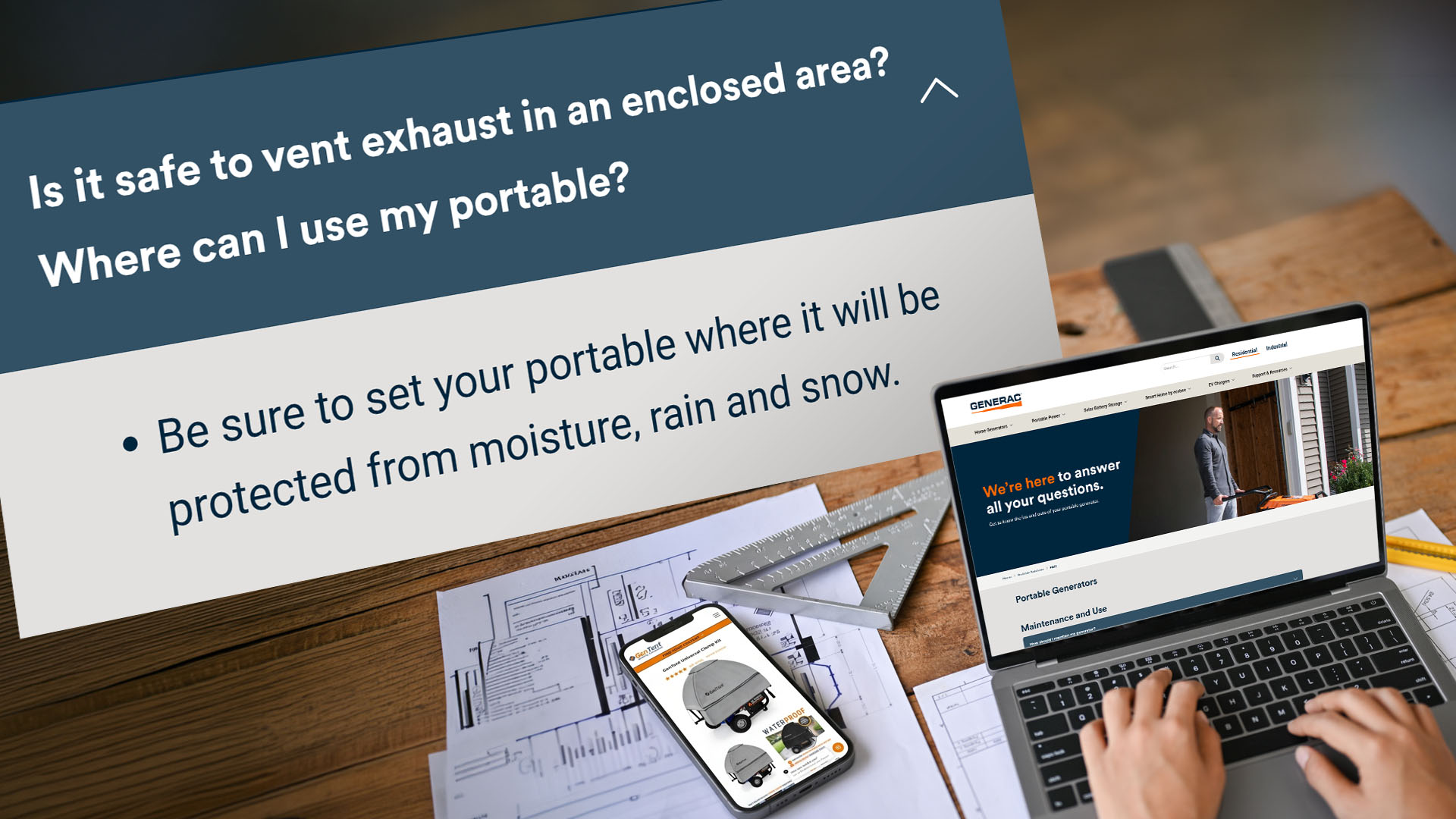
The practical takeaway is clear: Generac warns owners not to run portable generators indoors, in a garage, or in an enclosed area, but also tells owners to protect the generator from moisture, rain, and snow. Engineered protective devices are a natural progression of that guidance because they help keep the generator outdoors and ventilated while protecting key electrical areas from wet-weather exposure.
For model-specific protection systems, visit the GenTent for Generac generators page.
Honda Power Equipment
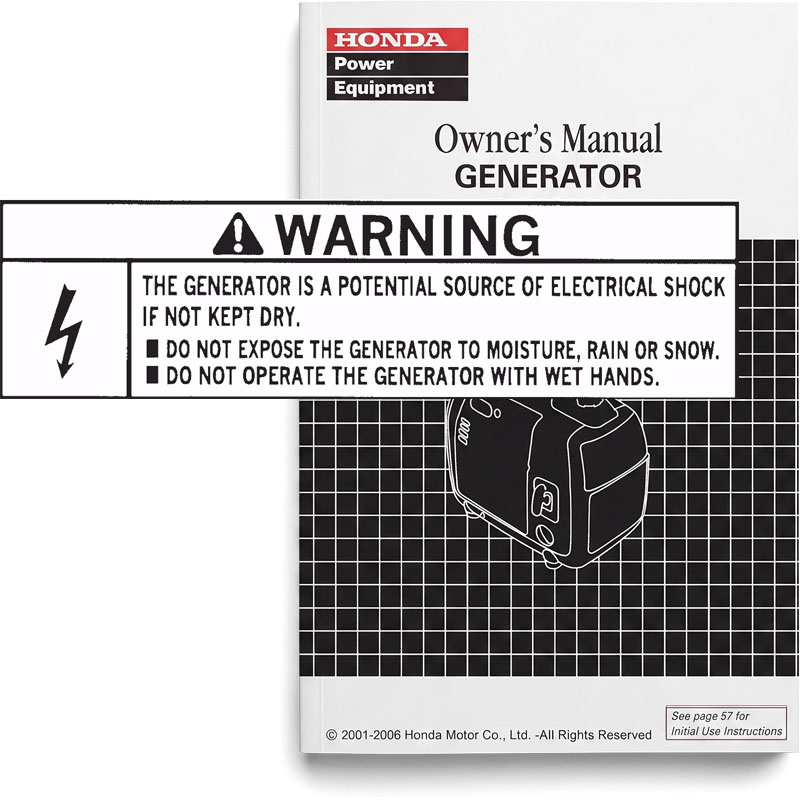
Honda manuals emphasize shock hazards. The documentation for popular models like the Honda EU2000i states that the generator is a potential source of electrical shock if misused, and warns users to keep the generator dry at all times.
Source: Honda EU2000i Owner’s Manual
Honda specifically warns that using a generator in wet conditions, such as in rain or snow, near a pool, or with wet hands, could result in electrocution. Additionally, if your generator is stored outdoors unprotected, you should inspect control panel parts for moisture or ice buildup before starting it, as startup moisture can cause unsafe electrical conditions.
For model-specific protection systems, visit the GenTent for Honda generators page.
Champion Power Equipment
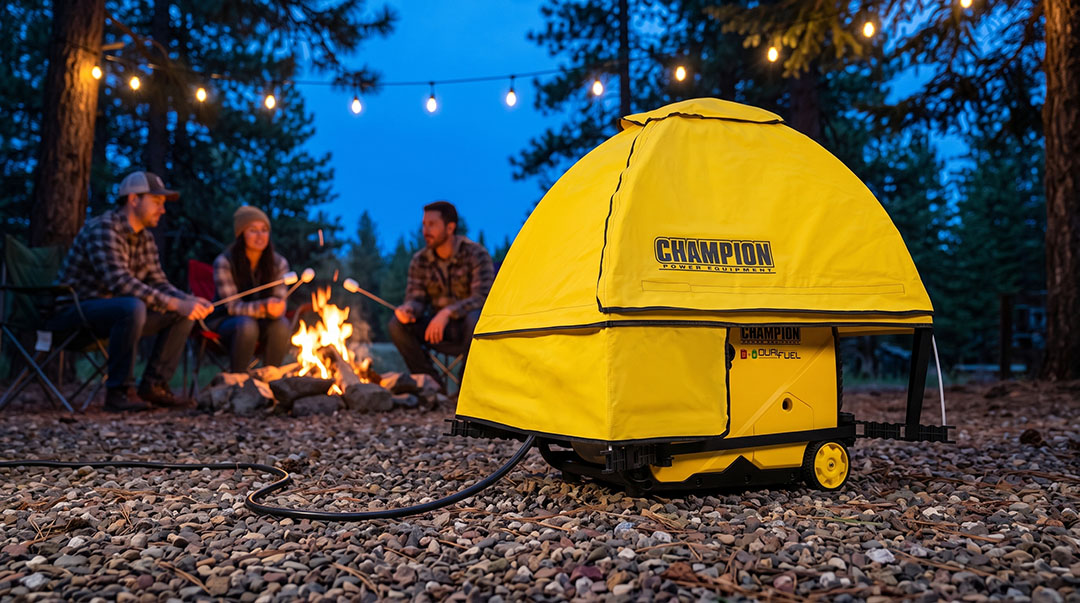
Champion keeps its instructions brief and highly visible. Their manuals warn users directly: “DO NOT operate generator in wet weather.” They emphasize that wet, worn, or frayed extension cords represent an immediate electrocution hazard when exposed to outdoor moisture.
Champion has also been a leader in generator safety and wet-weather generator protection since 2016, when Champion Storm Shield™ by GenTent® became the first branded generator tent solution brought forward for Champion generator owners. Rather than leaving customers to improvise with tarps or unsafe locations, Champion helped establish a purpose-built running cover path that supports outdoor operation, airflow, exhaust clearance, and access to controls.
Champion also supports broader generator safety education through GeneratorSafety.com, reinforcing the same core safety message: portable generators must be operated outdoors, away from homes, openings, and occupied spaces.
For model-specific protection systems, visit the Champion Storm Shield™ by GenTent® page.
Predator / Harbor Freight
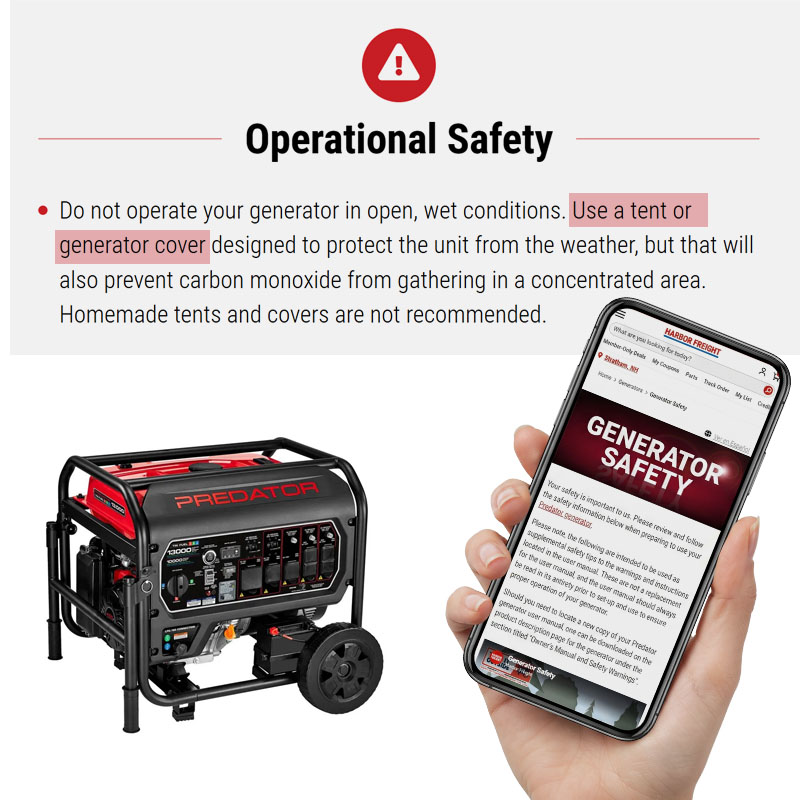
Predator / Harbor Freight provides one of the clearest consumer-facing examples of wet-weather generator guidance. Their generator safety page warns against open wet-weather operation and specifically cautions against homemade tents and covers.
“Do not operate your generator in open, wet conditions. Use a tent or generator cover designed to protect the unit from the weather, but that will also prevent carbon monoxide from gathering in a concentrated area. Homemade tents and covers are not recommended.”
That guidance reinforces the same point: the goal is not simply to cover a generator. The goal is to protect the unit from weather while preventing carbon monoxide from gathering in a concentrated area and avoiding homemade covers that can trap heat, restrict airflow, or interfere with exhaust.
For model-specific protection systems, visit the GenTent for Predator generators page.
DuroMax Power Equipment
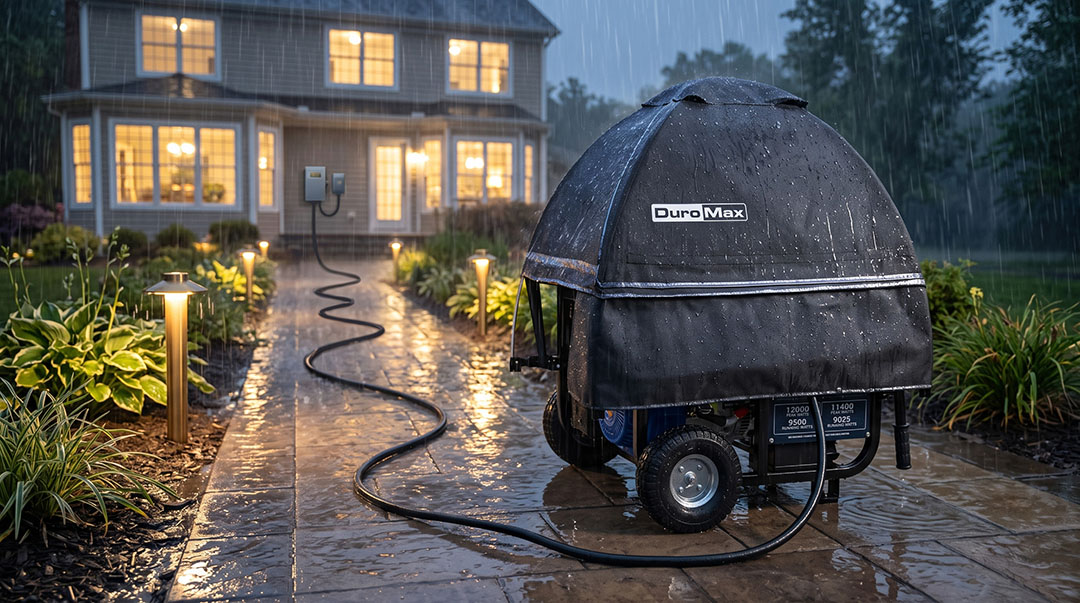
DuroMax provides highly practical advice for homeowners. Their literature warns: “DON'T use your generator in wet conditions. Only run your generator on a dry surface.” However, they also acknowledge that with proper protection, generators can be used in wet weather.
DuroMax warns against using makeshift plastic tarps or unventilated enclosures. Without proper airflow, a running generator can overheat, damage components, or create unsafe operating conditions. To solve this, DuroMax recommends and distributes DuroMax Generator Running Covers by GenTent®, purpose-built running covers engineered to shield sensitive electronics while maintaining proper cooling ventilation.
For model-specific protection systems, visit the DuroMax Generator Running Covers by GenTent® page.
Briggs & Stratton
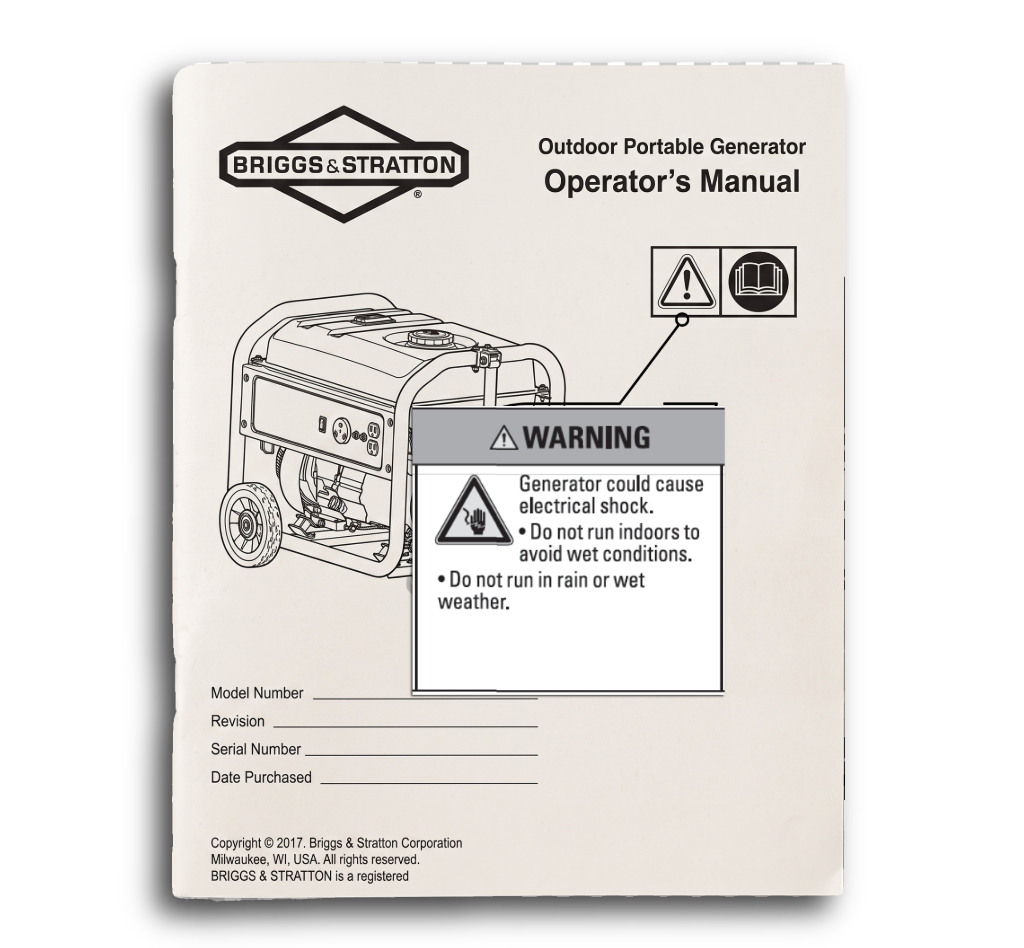
Briggs & Stratton manuals are equally clear on the risks of high voltage. Their manuals state: “Do not run in rain or wet weather.” They warn that standard generator voltages can cause severe electrical shock or burns resulting in serious injury or death.
The company advises that if you must work around an active generator in damp conditions, you should stand on an insulated, completely dry surface to reduce the risk of establishing a path of electricity through your body. Briggs & Stratton standby models rely on permanent weatherproof enclosures, but portable models should not be treated the same way. Portable generators still need safe outdoor placement, airflow, exhaust clearance, and weather protection that does not create new hazards.
For model-specific protection systems, visit the GenTent for Briggs & Stratton generators page.
Westinghouse
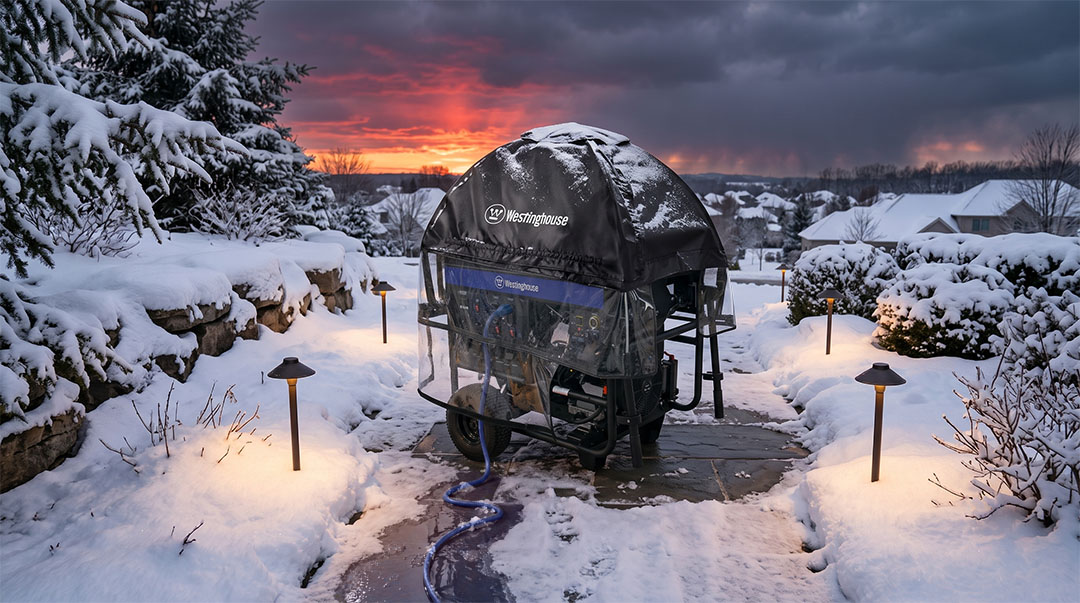
Westinghouse explicitly outlines these safety precautions in their manuals, advising operators that running a generator in wet weather risks heavy damage to the machine and poses an immediate shock hazard.
To address the challenge of wet-weather deployment, Westinghouse partnered with GenTent to offer named running cover solutions including wGenTent, iGenTent, and WGenTent XL. These solutions are designed for compatible Westinghouse generator categories while supporting outdoor operation, airflow, exhaust clearance, electrical protection, and access to controls.
For model-specific protection systems, visit the Westinghouse GenTent page.
Looking for another brand? Visit our model-specific protection systems for FIRMAN generators, GENMAX generators, or Cummins Generator Tent by GenTent®.
What Does PGMA Say? Take It Outside.
The Portable Generator Manufacturers Association may not be a household name for most generator owners, but its safety message supports what manufacturers already tell customers: portable generators belong outside.
PGMA’s public safety message is reinforced through the Take It Outside campaign, which emphasizes that outdoor operation is the only safe way to run a portable generator. Wet-weather protection must never involve bringing the generator inside a garage, home, carport, shed, crawl space, or near open doors, windows, or vents.
You may notice a reference in your generator manual to PGMA G300, which includes requirements related to portable generator safety and carbon monoxide shutoff technology. It is important to understand that CO shutoff sensors and rain exposure testing do not replace the owner’s manual. They do not make unsafe placement safe, and they do not mean a generator should be run directly exposed in rain or snow.
In wet weather, the correct answer is still to follow the manufacturer’s instructions and use protection designed for running generators. That is why the development of UL 2201A matters. It addresses the generator tent category directly — the product category that sits between two real safety requirements: keeping generators outdoors for carbon monoxide safety and protecting them from wet-weather electrical hazards.
What Would You Do?
The manufacturers reviewed warn owners against running an open generator directly exposed to rain, snow, or unsafe wet-weather conditions. This creates a difficult catch-22 for homeowners. You cannot run it indoors because of carbon monoxide, but leaving a high-voltage electrical machine entirely exposed to heavy rain or falling snow can create shock and equipment hazards.
Running your generator under a covered porch or into an open garage is an incredibly common mistake that can be fatal. During a major storm outage, the temptation is understandable: you know you must operate your portable generator outside and at least 20 feet away from buildings and occupied areas, but heavy rain, snow, sleet, and wind can make that feel impossible.
Finding a reliable way to shield your generator from the elements while keeping it safely away from your home is critical to managing emergency power successfully. To bridge this gap, homeowners need a specialized, ventilated generator running cover that protects the generator from weather while keeping it outdoors, accessible, and safely positioned away from the home.
Safety Guidance Recognizes the Same Real-World Problem
The U.S. Consumer Product Safety Commission (CPSC) tracks safety data and reports that an average of nearly 100 Americans die each year from generator-related carbon monoxide poisoning. Many of these fatal incidents occur during power outages triggered by severe weather like hurricanes, tropical storms, and winter blizzards.
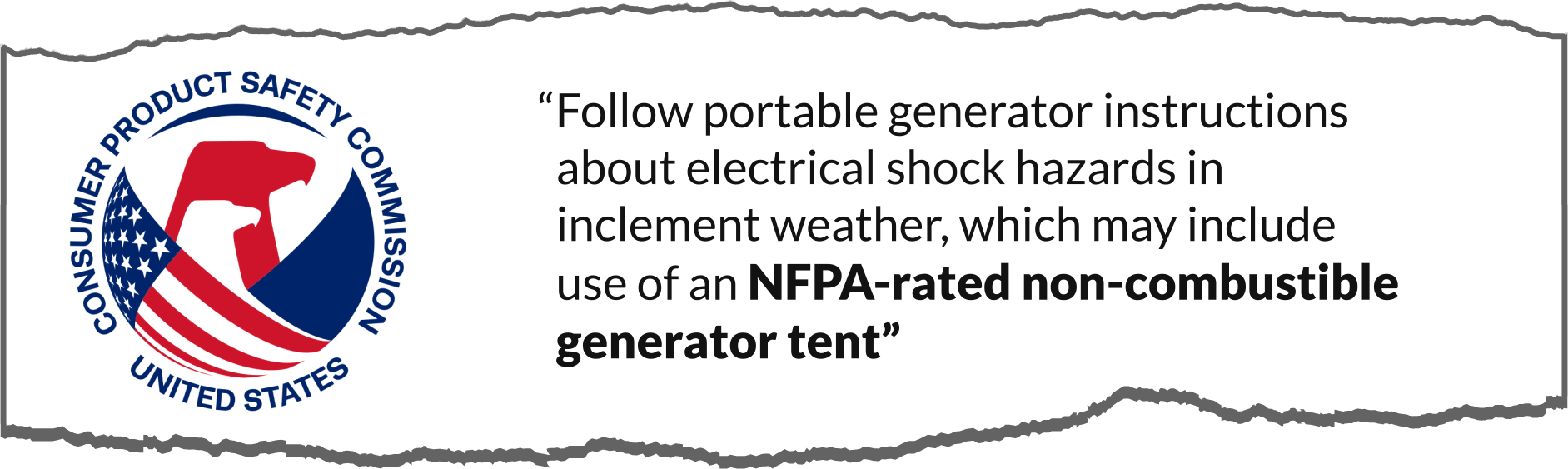
To help protect homeowners from both the invisible threat of carbon monoxide and the sudden danger of electrocution, the CPSC issues practical advice:
“Follow the portable generator manufacturer’s instructions about electrical shock hazards in inclement weather, which may include using an NFPA-rated noncombustible generator tent or may advise you to wait until rain or snow passes.”
This guidance recognizes the homeowner’s dilemma. The generator still belongs outdoors and away from the home, but wet-weather operation requires following the manufacturer’s instructions and using protection that does not create new CO, fire, airflow, exhaust, or electrical hazards.
Why GenTent Is the Industry Standard for Storm Safety
When faced with this exact wet-weather dilemma, the best way to run your generator at a proper distance while protecting it from the elements points directly to GenTent Safety Canopies. Founded in 2011, GenTent invented the generator tent category to resolve the conflict between weather safety and emergency power.
Unlike tight fabric storage covers that trap heat and exhaust fumes, or bulky plastic enclosures that restrict ventilation, GenTent uses a patented self-attaching design. It mounts directly to compatible generators while maintaining the airflow, cooling profile, and exhaust clearance portable generators require.
Some safety-minded generator manufacturers have gone beyond warning customers about the problem. They have helped bring purpose-built generator running cover solutions forward.
Champion Storm Shield™ by GenTent®, DuroMax Generator Running Covers by GenTent®, Cummins Generator Tent by GenTent®, and Westinghouse wGenTent, iGenTent, and WGenTent XL all point in the same direction: portable generators should stay outdoors during outages, but customers need a safer way to protect them from rain, snow, wind, and storm conditions.
These brands are not investing in product solutions because the warnings are optional. They are doing it because safer outdoor operation, proper airflow, exhaust clearance, electrical protection, and access to controls matter during real outages.
| Manufacturer / Program | What It Reinforces |
|---|---|
| Champion Storm Shield™ by GenTent® | A purpose-built running cover solution for compatible Champion generators during wet-weather operation. |
| DuroMax Generator Running Covers by GenTent® | Partner-branded running covers for compatible DuroMax open frame and inverter generators. |
| Cummins Generator Tent by GenTent® | Portable and inverter generator tent solutions supporting outdoor storm operation, airflow, and exhaust clearance. |
| Westinghouse wGenTent, iGenTent, and WGenTent XL | Named running cover solutions across open frame, inverter, and larger generator categories. |
Other safety-minded brands and retailers are also reinforcing the same point through guidance. As shown above, Predator / Harbor Freight warns against homemade tents and covers and points customers toward generator tents or covers designed to protect the unit from weather without allowing carbon monoxide to concentrate.
The technical performance of GenTent is backed by independent laboratory testing:
- Heavy Rain Protection: Waterproof marine-grade vinyl canopy with welded seams, independently tested up to 18 inches of rain per hour.
- Wind Resistance: Rated up to 110 mph forecast winds when properly installed.
- Heavy Snow Loads: Rated up to 20 inches of snow load.
- Flame Retardant Materials: NFPA 701 flame-retardant canopy materials and flame-retardant components.
- CO Sensor Compatibility: Designed to support airflow and exhaust clearance for modern CO shutoff sensor equipped generators when properly installed.
GenTent is an associate member of the Portable Generator Manufacturers Association and is trusted by first responders, emergency management agencies, and the National Guard.
The message from manufacturers is clear: do not ignore wet-weather warnings, do not run a generator indoors or too close to the home, do not restrict airflow or exhaust, and do not rely on improvised covers. GenTent was built for that gap — helping compatible portable generators remain outdoors in storm conditions while supporting safer operation and manufacturer-aligned use.
Before the next outage, review your owner’s manual, confirm your generator’s safe placement, and use the GenTent Fit Finder to find the correct running cover for your model.
You can also start with a model-specific protection system guide: Honda, Briggs & Stratton, Predator, FIRMAN, Generac, GENMAX, Champion, DuroMax, Cummins, or Westinghouse.
Generator Safety
- CPSC Hurricane Season Safety Tips
- USFA 5 Steps to Portable Generator Safety
- NFPA Generator Safety Tips
- NFPA Carbon Monoxide Safety
- Consumer Reports Generator Safety Tips
GenTent Safety Tools
- GenTent Generator Safety Toolkit
- Portable Generator Safety Flyer
- How Far Should a Portable Generator Be From Your Home?
- Safely Running Your Generator During Hurricane Season
- Portable Generator Safety Tips
- Find Your GenTent With the Fit Finder