

Hurricane Season Generator Safety: Prepare for Storm Power Outages
Posted by Brian Thomas on Jun 1st 2026
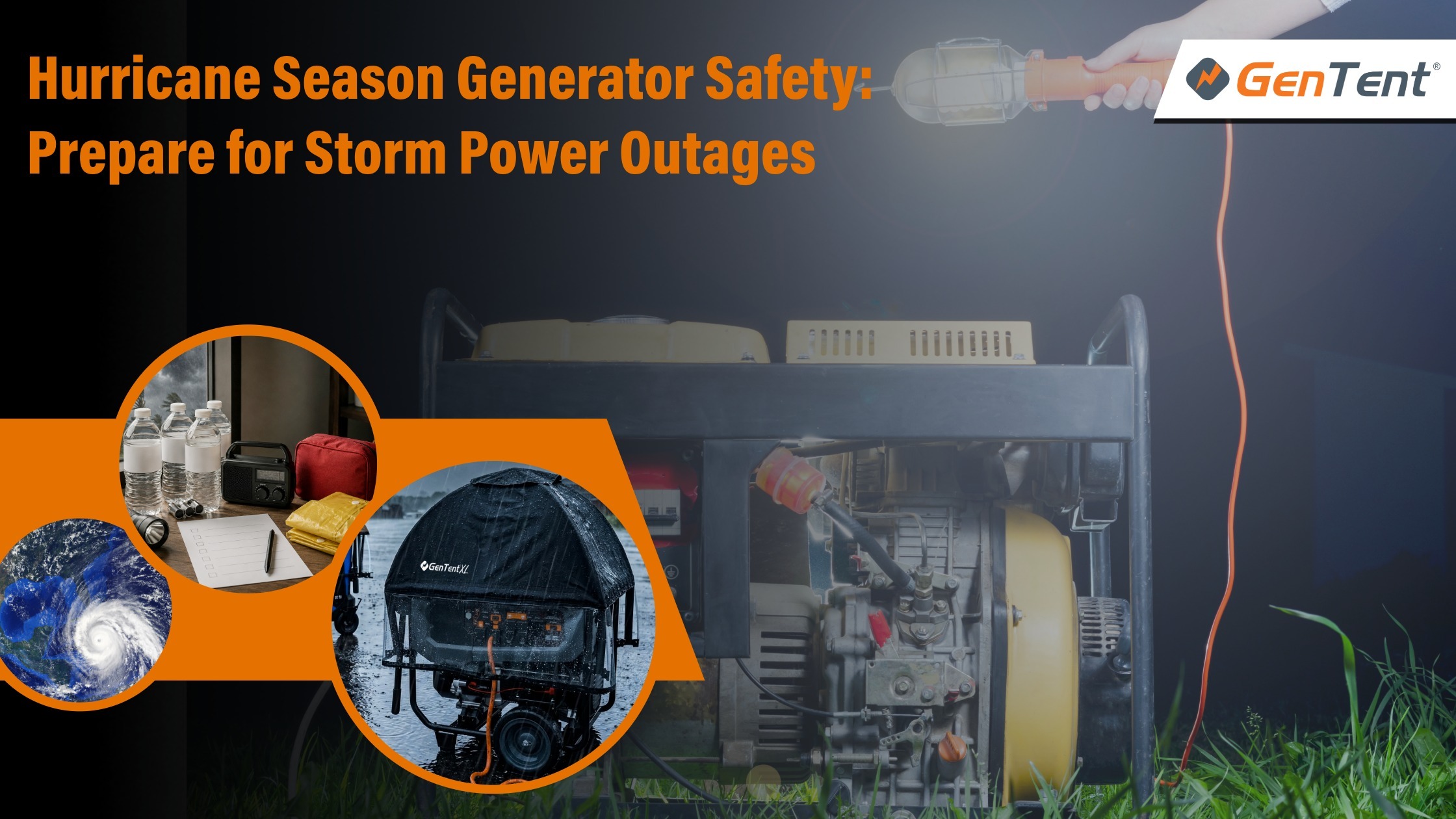
Hurricane Season Generator Safety: Prepare for Storm Power Outages
Hurricane season is not the time to figure out your generator plan. By the time a tropical storm or hurricane knocks out power, the safest setup should already be decided: where the generator will run, how it will stay dry, how exhaust will stay away from the home, and how you will power essentials without creating new hazards.
Portable generators can be a lifeline during hurricane outages, but they also bring serious risks when used incorrectly. Carbon monoxide poisoning, electric shock, fire, wet appliances, unsafe cords, fuel handling, and improper placement can all become more dangerous when the storm has already arrived. For a broader safety overview, review GenTent's portable generator safety tips before storm season peaks.
The goal is simple: prepare before the outage, run the generator outdoors where it belongs, and protect it from severe weather without blocking ventilation or exhaust. A purpose-built generator running cover like GenTent helps homeowners keep backup power available in rain, wind, and storm conditions while supporting safer outdoor generator operation.
Why Hurricane Generator Safety Matters Before the First Storm
The Atlantic hurricane season runs from June 1 through November 30. NOAA hurricane climatology shows that an average Atlantic season has more than 14 named storms, 7 hurricanes, and 3 major hurricanes. Even a below-normal or near-normal forecast can still bring damaging wind, flooding, extended outages, and dangerous generator-use conditions.
It only takes one tropical storm or hurricane near your home to create a power outage, limit fuel access, damage equipment, and force quick decisions about backup power. That is why generator safety should be part of your hurricane preparedness plan before storm season peaks.
 |
Source: National Hurricane Center Active Tropical Cyclones |
Preparedness is not about panic. It is about making the safe choice before the storm makes choices harder.
Forecasts help you know when a storm is possible. Preparedness helps you know what to do when the power goes out.
Prepare Before the Power Goes Out
A hurricane generator plan should be part of a larger emergency plan. Before hurricane season peaks, review local evacuation routes, emergency alerts, storm surge risks, and official forecast resources from Ready.gov hurricane preparedness. Build an emergency kit before the last-minute rush for supplies begins.
A practical hurricane outage plan should include:
- Water, shelf-stable food, flashlights, batteries, medications, first aid supplies, chargers, cash, and important documents.
- Working carbon monoxide alarms on every level of the home and outside sleeping areas.
- A tested generator, fresh oil, correct fuel, outdoor-rated extension cords, and a safe transfer switch plan if connecting to home circuits.
- A safe outdoor generator location at least 20 feet from the home.
- A GenTent installed and test-fit before storm conditions arrive.
|
Additional Hurricane Preparedness Checklists |
|
 |
American Red Cross Hurricane Preparedness Checklist |
 |
Team Rubicon Hurricane Preparation Checklist |
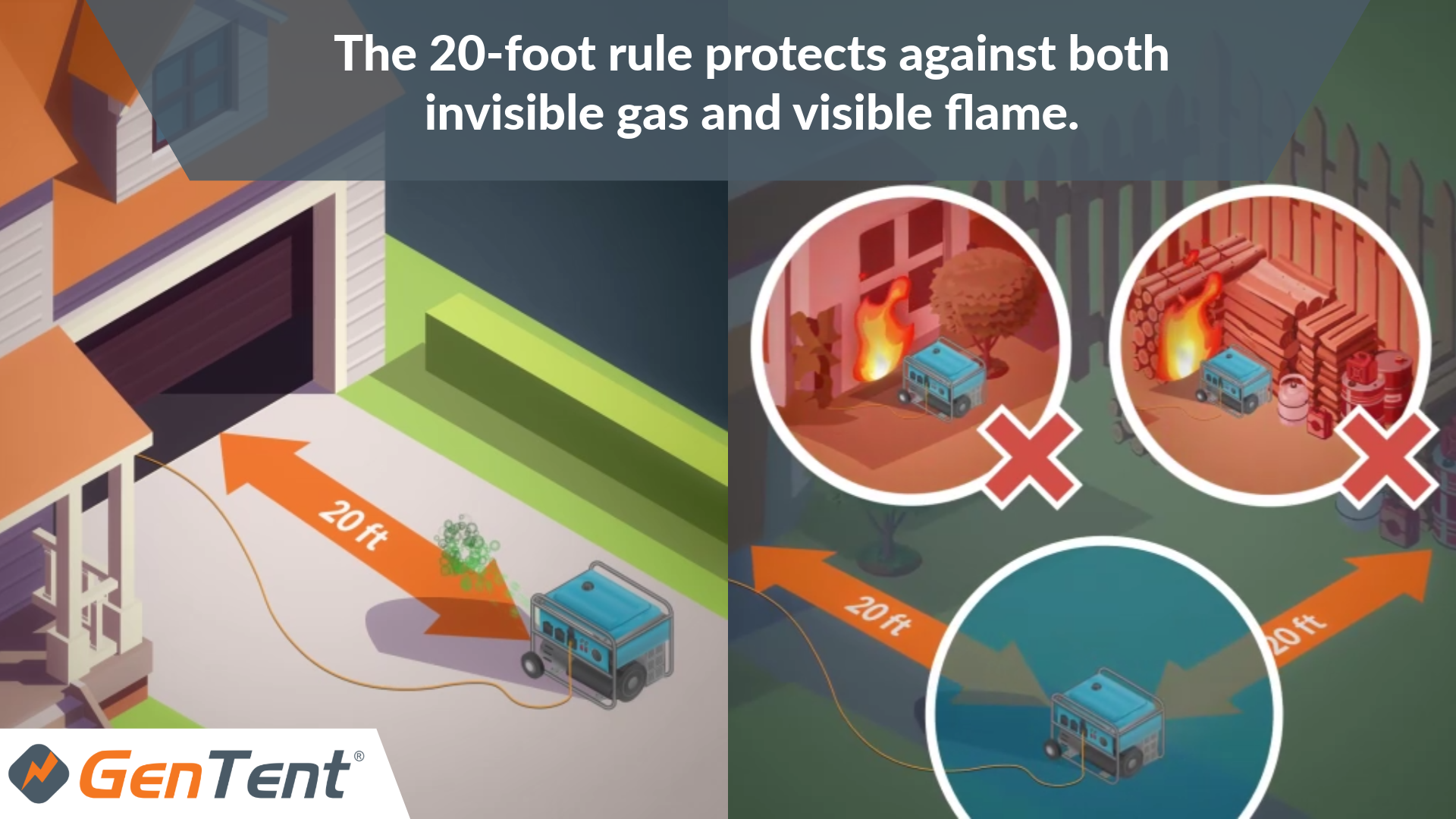
Keep Your Generator 20 Feet From the Home
Carbon monoxide is one of the most serious generator hazards during hurricane outages. It is colorless, odorless, and can enter a home through doors, windows, vents, crawlspaces, garages, soffits, and other openings. The National Fire Protection Association and CPSC hurricane safety guidance both reinforce the importance of preventing CO exposure when generators are in use.
Safety agencies consistently advise running portable generators outdoors, at least 20 feet away from the home, with exhaust directed away from doors, windows, vents, attached garages, and other buildings where people may enter. CPSC also warns not to operate a generator on a porch or in a carport because those locations are still too close to the home.
 |
Source: Ready.gov Power Outages |
When in doubt, move it 20 feet out.
For a deeper look at generator placement, carbon monoxide drift, and why distance matters, read How Far Should a Portable Generator Be From Your Home?.
Do Not Move the Generator Closer Because It Is Raining
Rain is one of the reasons generator safety breaks down during hurricane outages. As weather conditions worsen, homeowners may be tempted to move a generator onto a porch, into a garage, under an overhang, into a shed, or beneath a makeshift tarp. GenTent covers this issue in more detail in Safely Running Your Generator During Hurricane Season.
That decision can create two hazards at the same time: carbon monoxide can move toward the home, and wet generator operation can increase the risk of electric shock, short-circuiting, equipment damage, or fire.
 |
Source: U.S. Fire Administration, 5 Steps to Portable Generator Safety |
Carbon Monoxide Awareness During Hurricane Outages
|
Working carbon monoxide alarms are a critical part of hurricane generator safety. Install CO alarms on every level of the home and outside each sleeping area, test them regularly, and never ignore an alarm. Carbon monoxide is colorless and odorless, which is why safe generator placement matters before, during, and after the outage. Keep generators outdoors, away from the home, and point exhaust away from doors, windows, vents, garages, and other openings. Learn more in GenTent's portable generator safety tips and the NFPA carbon monoxide safety guide. |
 |
During the Outage: Run the Generator Safely
Once power is out, keep the generator outdoors and away from the home. Direct exhaust away from people, doors, windows, vents, attached garages, and neighboring structures. Never run a generator indoors, in a garage, in a shed, on a porch, in a carport, or in any enclosed or partially enclosed space.
Follow the generator manufacturer's operating instructions and load limits. Plug appliances directly into the generator or use heavy-duty, outdoor-rated extension cords that match the electrical load. NFPA generator safety guidance also recommends checking cords for cuts, tears, and intact grounding pins.
Refueling is another high-risk moment. Turn the generator off and let it cool before adding fuel. Gas spilled on a hot engine can ignite. For more practical safety steps, review GenTent's portable generator safety tips.
 |
Portable Generator Safety Checklist From PGMA Portable generators are valuable backup power tools, but safe operation starts with the basics: take your generator outside, keep it away from doors and windows, point exhaust away from people and structures, and follow the manufacturer's instructions every time. Want to learn more? Visit TakeYourGeneratorOutside.com for portable generator safety resources from PGMA. |
|
Portable Generator Safety Flyer Download the Portable Generator Safety Flyer |
 |
How GenTent Supports Safer Outdoor Generator Operation
GenTent helps solve one of the biggest hurricane-season generator problems: how to keep the generator outdoors, away from the home, while protecting it from rain and storm exposure.
 |
Source: CPSC Hurricane Season Safety Tips |
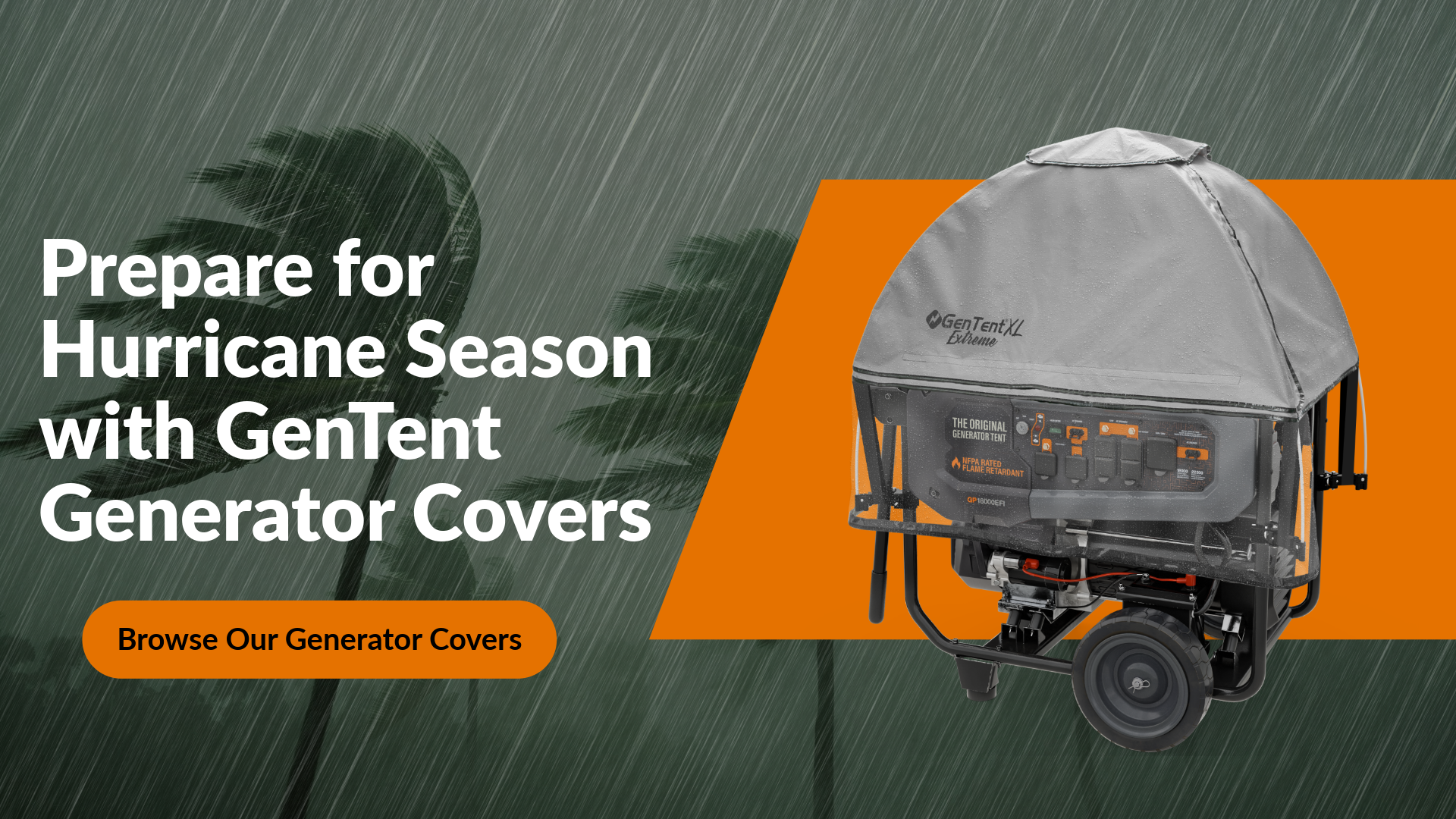
GenTent generator running covers attach directly to portable and inverter generators to protect key electrical areas while preserving airflow, exhaust clearance, portability, and access to controls. Unlike storage covers, tarps, plywood, pop-up shelters, or enclosed boxes, GenTent is designed for a generator while it is operating.
For hurricane-season preparedness, that matters because a generator cover has to do more than block rain. It must support ventilation, avoid trapping heat, keep exhaust paths clear, resist storm conditions, and reduce the pressure to move the generator too close to shelter.
GenTent systems are independently tested for severe weather performance and are designed to help protect portable generators in rain, snow, and wind while maintaining safe operational access. Before the storm, use the GenTent Advanced Fit Finder to confirm the right generator running cover for your exact make and model.
Generator Safety Comes First
GenTent helps make safer outdoor generator placement more practical, but it does not replace generator safety rules. Always follow your generator manufacturer's instructions, keep the generator outdoors, maintain the 20-foot rule, point exhaust away from the home, use working CO alarms, and follow local emergency guidance from resources like Ready.gov Power Outages, CPSC, USFA, and NFPA.
Hurricane Generator Readiness Checklist
Use this checklist before tropical storm or hurricane conditions arrive:
- Track the storm: Use the National Hurricane Center for active tropical cyclone advisories, watches, warnings, and forecast outlooks.
- Make a plan: Review Ready.gov hurricane guidance, evacuation routes, family communication plans, and local emergency alerts.
- Choose a generator location: Pick an outdoor location at least 20 feet from the home, doors, windows, vents, and attached garages.
- Point exhaust away: Direct generator exhaust away from the home and neighboring structures.
- Test CO alarms: Install and test carbon monoxide alarms on every level and outside sleeping areas.
- Inspect cords: Use heavy-duty, outdoor-rated extension cords with no cuts, exposed wires, or missing prongs.
- Prepare fuel safely: Store fuel in approved containers, away from living areas, heat sources, and ignition points.
- Protect the generator: Use a purpose-built generator running cover that protects from rain while maintaining ventilation and exhaust clearance.
- Test your GenTent fit: Install your GenTent before the storm so setup is familiar when power is out.
- Refuel safely: Turn the generator off and let it cool before adding fuel.
After the Storm: Avoid Cleanup Hazards
Hurricane cleanup can introduce new generator risks. Flooded appliances, wet wiring, damaged cords, gas leaks, debris, and unstable ground can all create hazards. CPSC hurricane safety guidance advises having professionals evaluate wet appliances, wiring, gas controls, circuit breakers, and fuses before use after flooding.
Keep the generator clear of debris, leaves, wood, fuel containers, tarps, and other combustible materials. If the generator or connected cords show damage, do not use them until they have been inspected.
Prepare Now, Not When the Storm Arrives
A hurricane generator plan should make safe decisions easier when the power is out. The right plan keeps the generator outdoors, away from the home, protected from severe weather, properly ventilated, and ready to power essentials when it matters most.
GenTent helps homeowners prepare for hurricane outages by making safer outdoor generator operation more practical in rain, wind, and storm conditions. You do not need to choose between keeping your generator dry and keeping it where safety guidance says it belongs.
Find the right GenTent for your generator, read more about safely running your generator during hurricane season, or explore the GenTent Generator Safety Toolkit for free safety resources you can share before the next storm.
Trusted Hurricane and Generator Safety Resources
Storm Tracking
- National Hurricane Center Active Tropical Cyclones
- National Hurricane Center Forecasts and Advisories
- NOAA Tropical Cyclone Climatology
Emergency Preparedness
- Ready.gov Hurricane Preparedness
- Ready.gov Power Outages
- FEMA Generator Safety
- American Red Cross Hurricane Preparedness Checklist
- Team Rubicon Hurricane Preparation Checklist
Generator Safety
- CPSC Hurricane Season Safety Tips
- USFA 5 Steps to Portable Generator Safety
- NFPA Generator Safety Tips
- NFPA Carbon Monoxide Safety
- Consumer Reports Generator Safety Tips