Portable Generator Carbon Monoxide Safety Guide
Portable generators can serve as a lifeline during power outages, an important tool on job sites and can help power the party at outdoor events and campsites. But without proper precautions, portable generators can pose serious risks for carbon monoxide poisoning and more.
Data from the U.S. Consumer Product Safety Commission (CPSC) reveals an upward trend in non-fire carbon monoxide (CO) poisoning deaths. Their reporting shows that portable generators alone have been associated with an estimated 765 non-fire CO poisoning deaths, accounting for 40% of all consumer product-related CO deaths between 2009 and 2019. The CPSC also states that a standard portable generator can emit CO at a rate equivalent to that produced by hundreds of cars, posing a significant risk for generator users.
In this comprehensive guide, we'll explore some of the potential and unknown risks, as well as share essential carbon monoxide safety tips and official recommendations from respected safety organizations to safeguard yourself and your property when operating a portable generator.
Portable Generator Carbon Monoxide Hazards
Here are some of the common carbon monoxide risk factors to be aware of when using your portable generator, and ways to prevent them:
Running a Generator Indoors or Too Close to the Home- Never run your generator indoors or in a covered structure like a garage, shed, or under a porch. Partial ventilation like open doors and windows in a garage, for example, can lead to dangerous levels of CO accumulation.
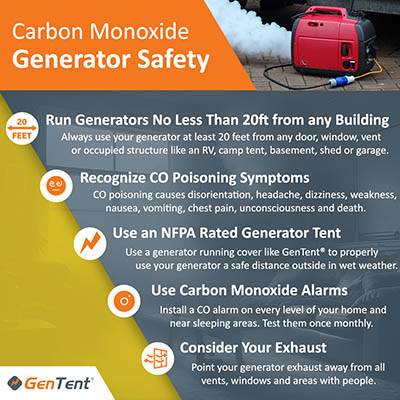
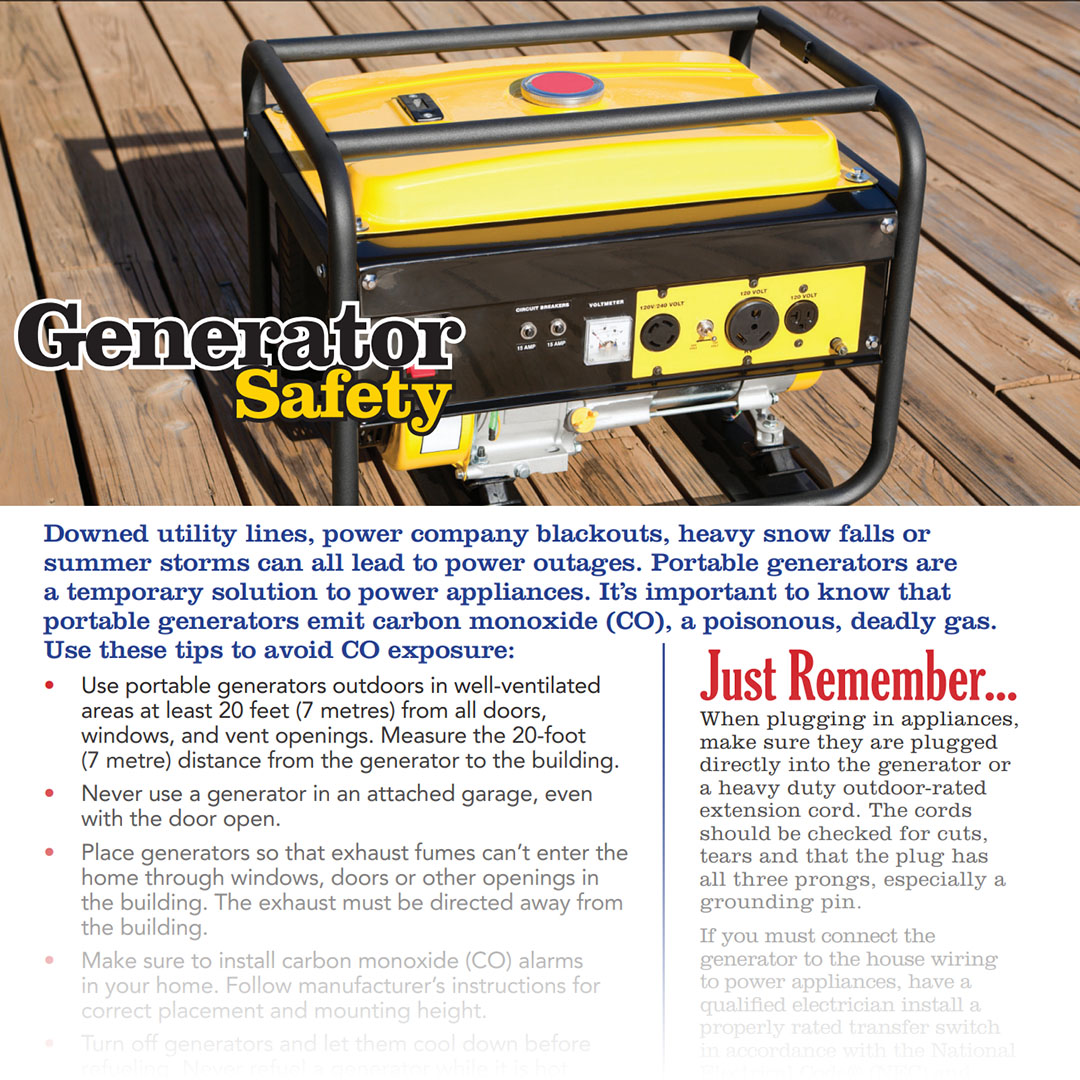
- Always use your generator at least 20 feet away from any door, window, vent, or occupied structure like an RV, camp tent, basement, shed, or garage.
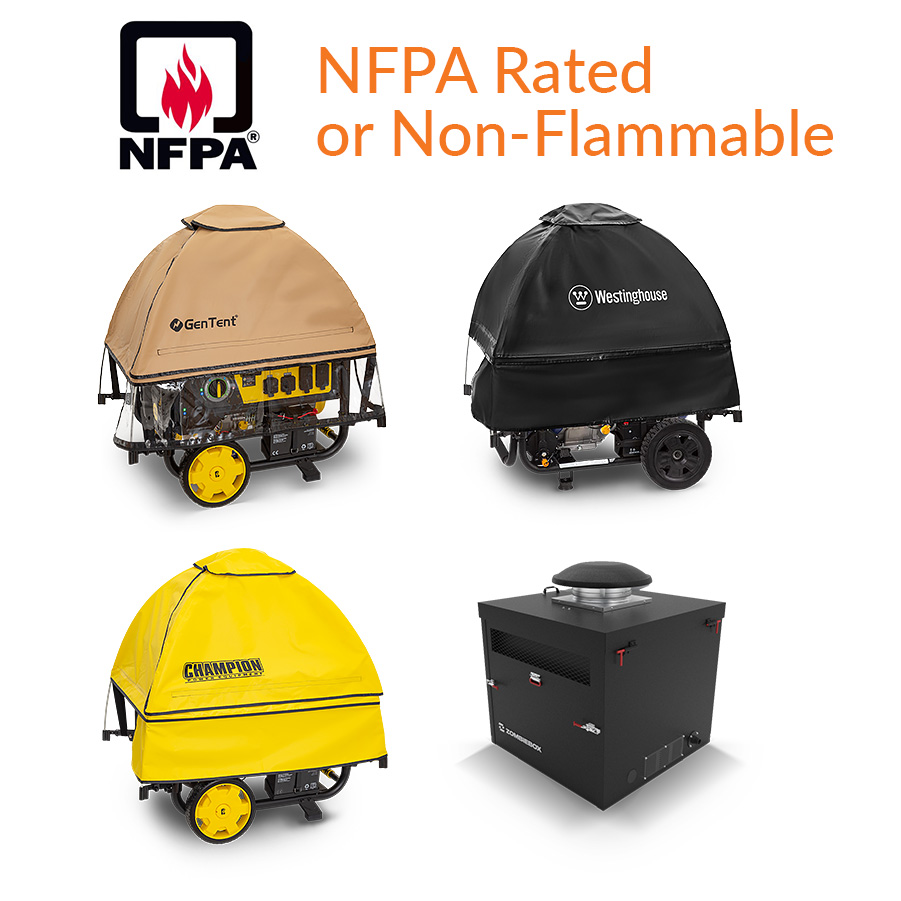
- Use an NFPA-rated generator running cover like GenTent to properly use your generator at a safe distance outside in wet weather.
- Ensure that nothing is blocking your air intake and exhaust to allow for proper portable generator ventilation and cooling.
- Point your generator exhaust away from all vents, windows, and areas with people.
Generators produce a large amount of carbon monoxide during operation. Carbon monoxide accumulation occurs when there is inadequate ventilation or when the generator is running at full capacity for extended periods.
- Make sure your generator is PGMA G300 or UL 2201 certified. There should be markings on the packaging that indicate the generator's certification.
- Check your shut-off switch regularly to ensure it works properly.
- Use a generator running cover that meets generator manufacturer ventilation standards to avoid false CO shut-offs.
- Ensure that the generator is running outside and 20 feet away from the home to avoid CO accumulation and auto-shutoff.
Generator manufacturers started adding carbon monoxide (CO) sensors to generators around 2018 as a built-in safety mechanism to prevent CO poisoning. When the CO sensor detects high levels of carbon monoxide exceeding a certain amount, it automatically switches the generator off, protecting those in the house from harmful emissions. While these sensors cannot be solely relied on for carbon monoxide poisoning prevention, they are an important portable generator CO safety tool.
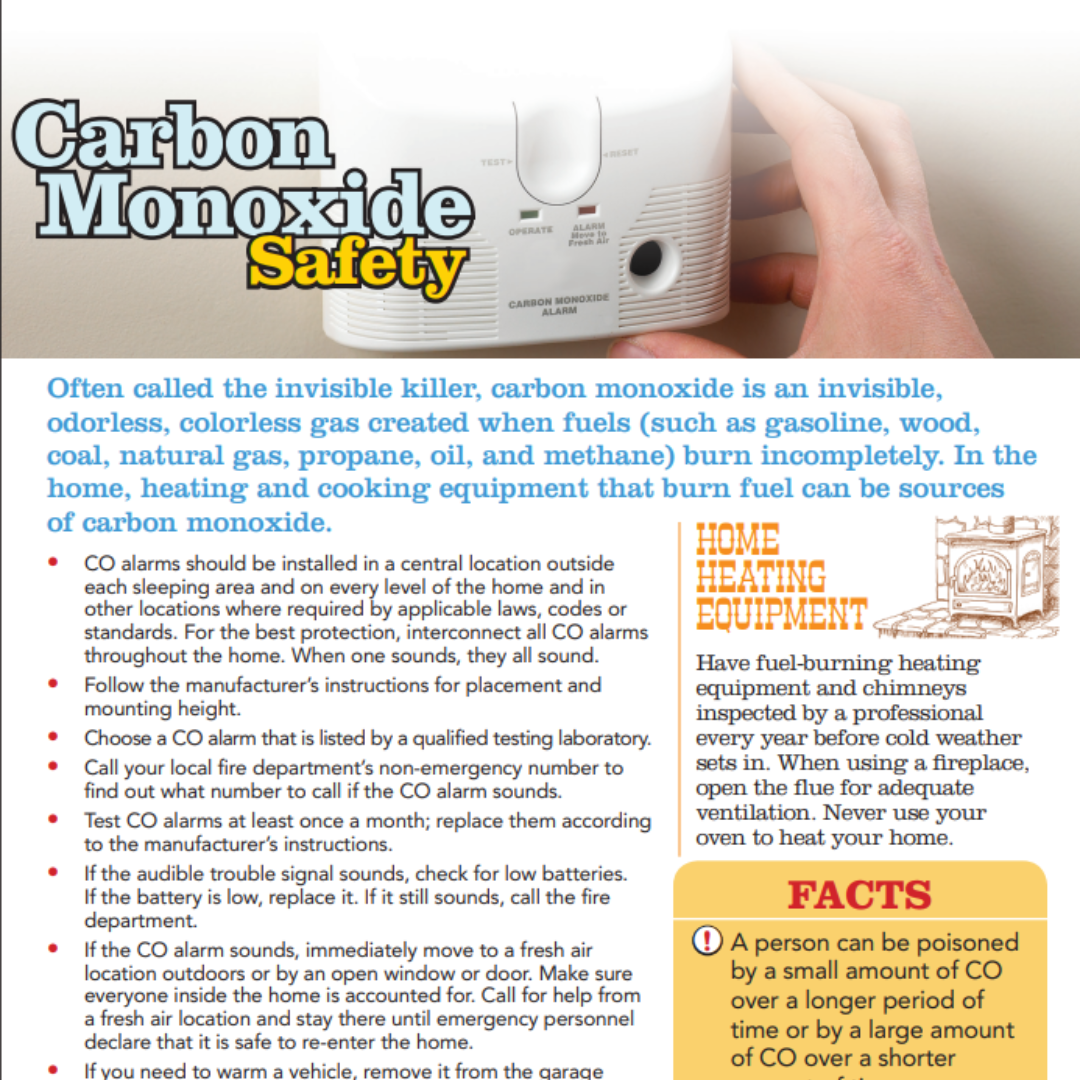
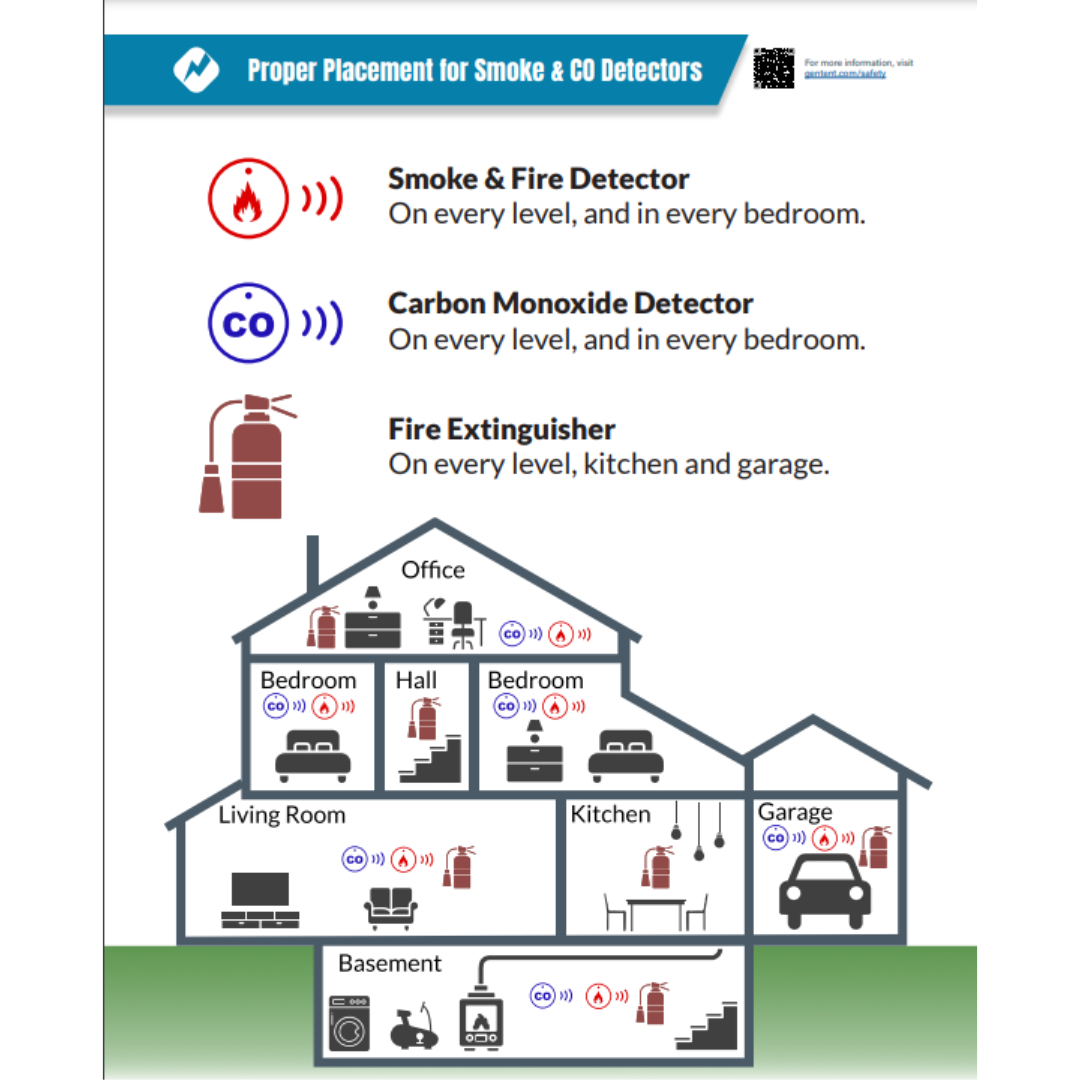
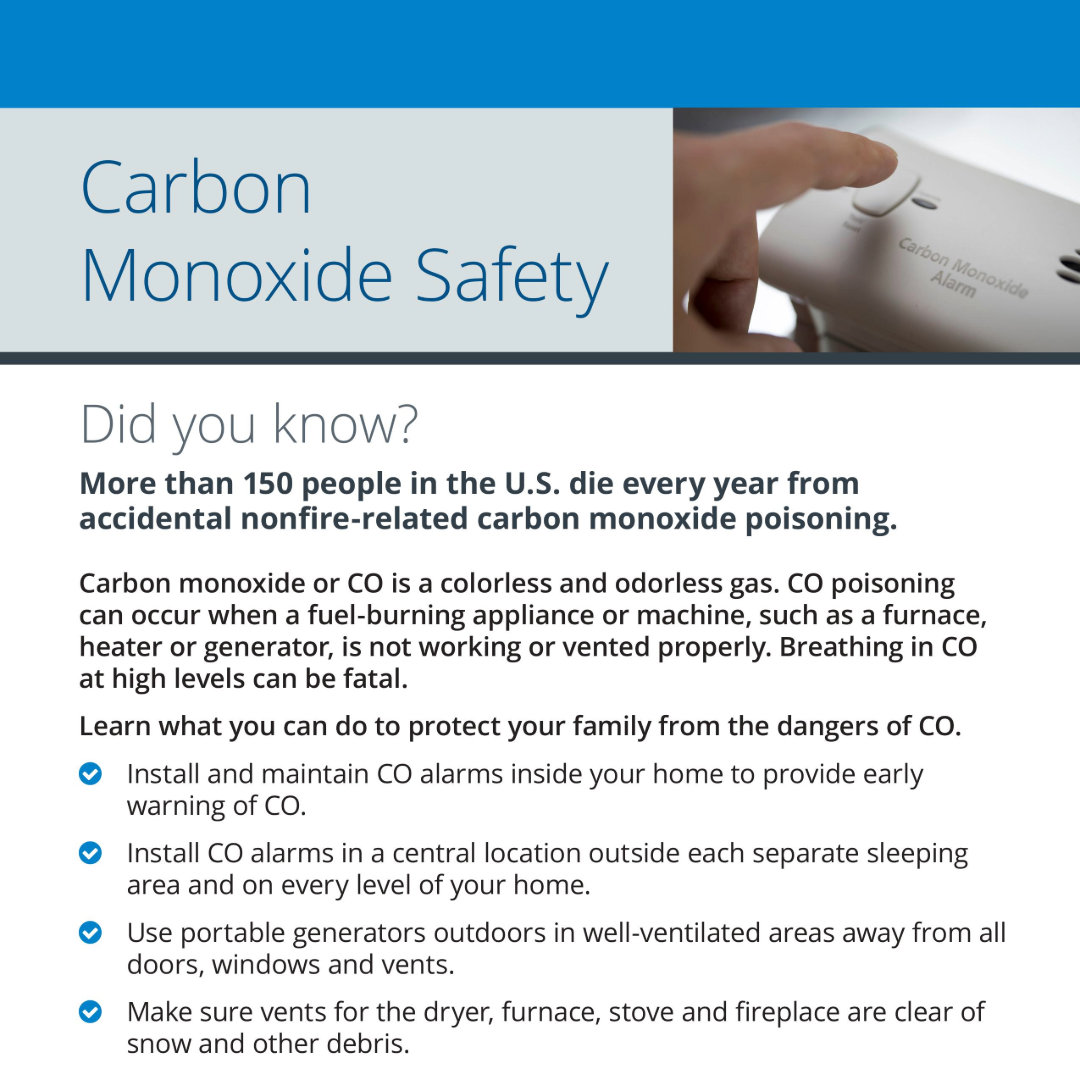
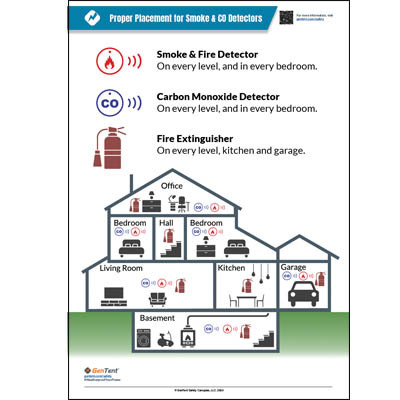
- Place battery-operated or battery backup CO detectors inside your home to alert you in case of elevated CO levels. CO alarms should be installed on every level of your home and near sleeping areas.
- Test all carbon monoxide alarms in the house at least monthly to ensure they are working properly.
- If the CO alarm sounds, immediately move to a fresh air location outdoors or by an open window or door. Make sure everyone inside the home is accounted for. Call for help from a fresh air location and stay there until emergency personnel.
Carbon monoxide alarms can be the first warning sign of elevated carbon monoxide exposure. Making sure that your home has proper carbon monoxide alarm placement and operation is imperative to safety measures to prevent CO poisoning.
- Don't overload your generator with high-voltage appliances. Check your generator's capacity against the combined voltages of the appliances you plan to use, especially for appliances with heating and cooling elements.
- Ensure there's nothing blocking your generator's exhaust before starting.
- Portable generators rely on air intake and air cooling, so it’s important to ensure that your intake and vents have natural air flow just like your exhaust.
Carbon monoxide exposure from running a portable generator can result in fast-acting onset of symptoms, ranging from mild symptoms to severe ones.
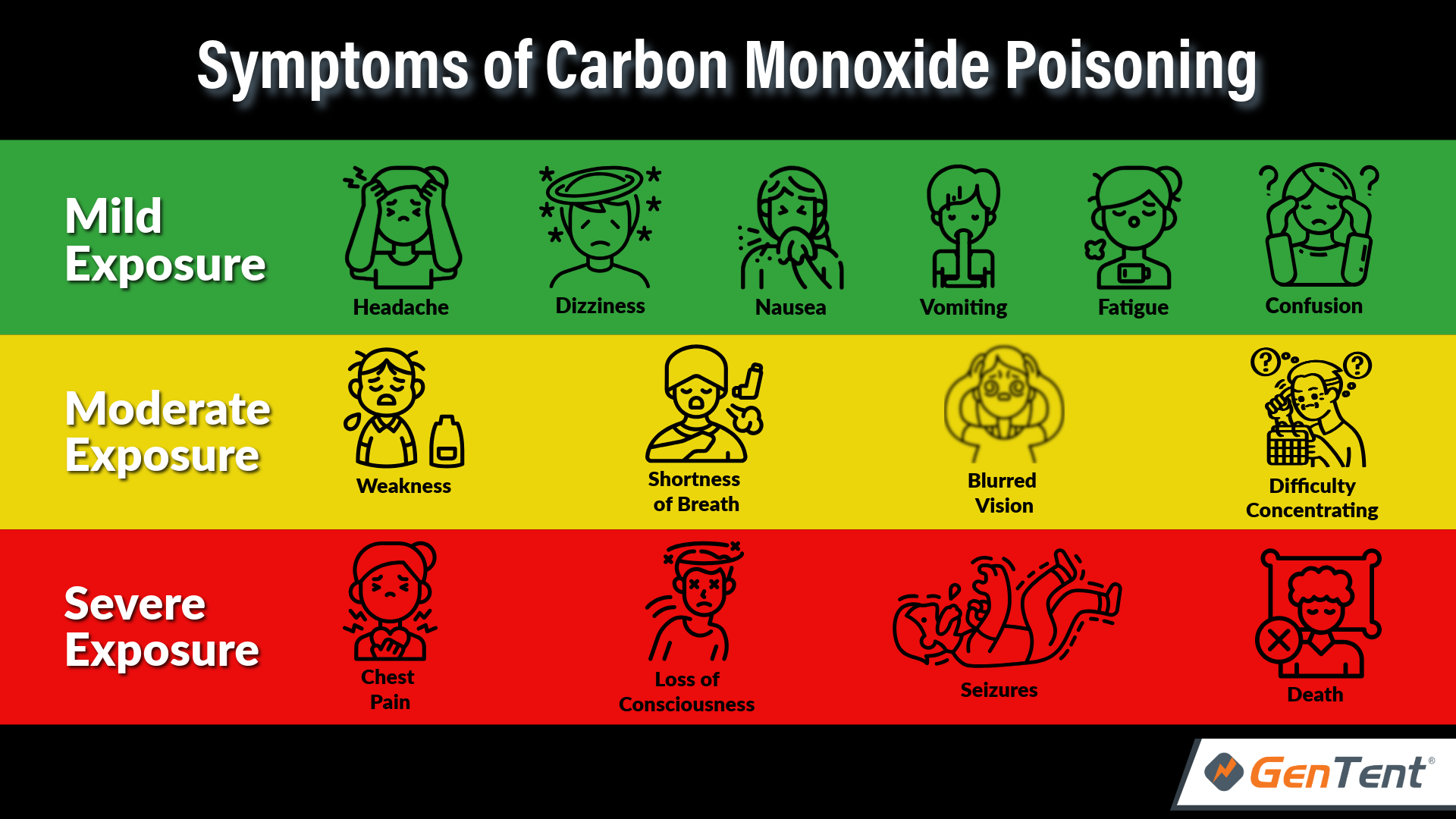
Wet Weather and Generator Safety Hazards
Generator manufacturers currently focus their direction for portable generator owners on what not to do, stating two very important warnings on the first pages of their manuals:
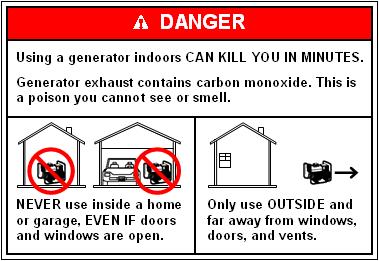
Do NOT run your generator indoors.
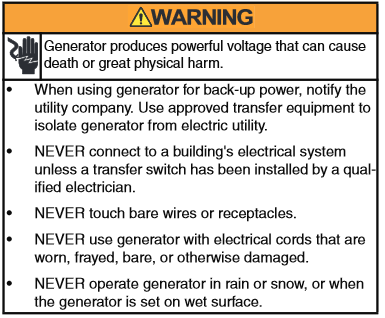
Do NOT run your generator in rain, snow, or on a wet surface.
In a large market study conducted in June 2023, 80% of respondents reported Emergency Home Backup Power being their primary reason for owning a portable generator. Even though safety organizations including the US Consumer Product Safety Commission (CPSC) recommends using portable generators no less than 20 feet from any building or structure, 69% of survey respondents said they would feel safe running their generator* under a deck, under an eave or overhang of their house, in their garage with the door open, or in their basement with the windows open, for example.
* - with a working CO sensor
During wet weather power outages, portable generator owners are left with conflicting guidance on how to operate their portable generator safely, so it's easy to see why they often end up using their generators in unsafe locations, exposing themselves to carbon monoxide hazards and other risks.
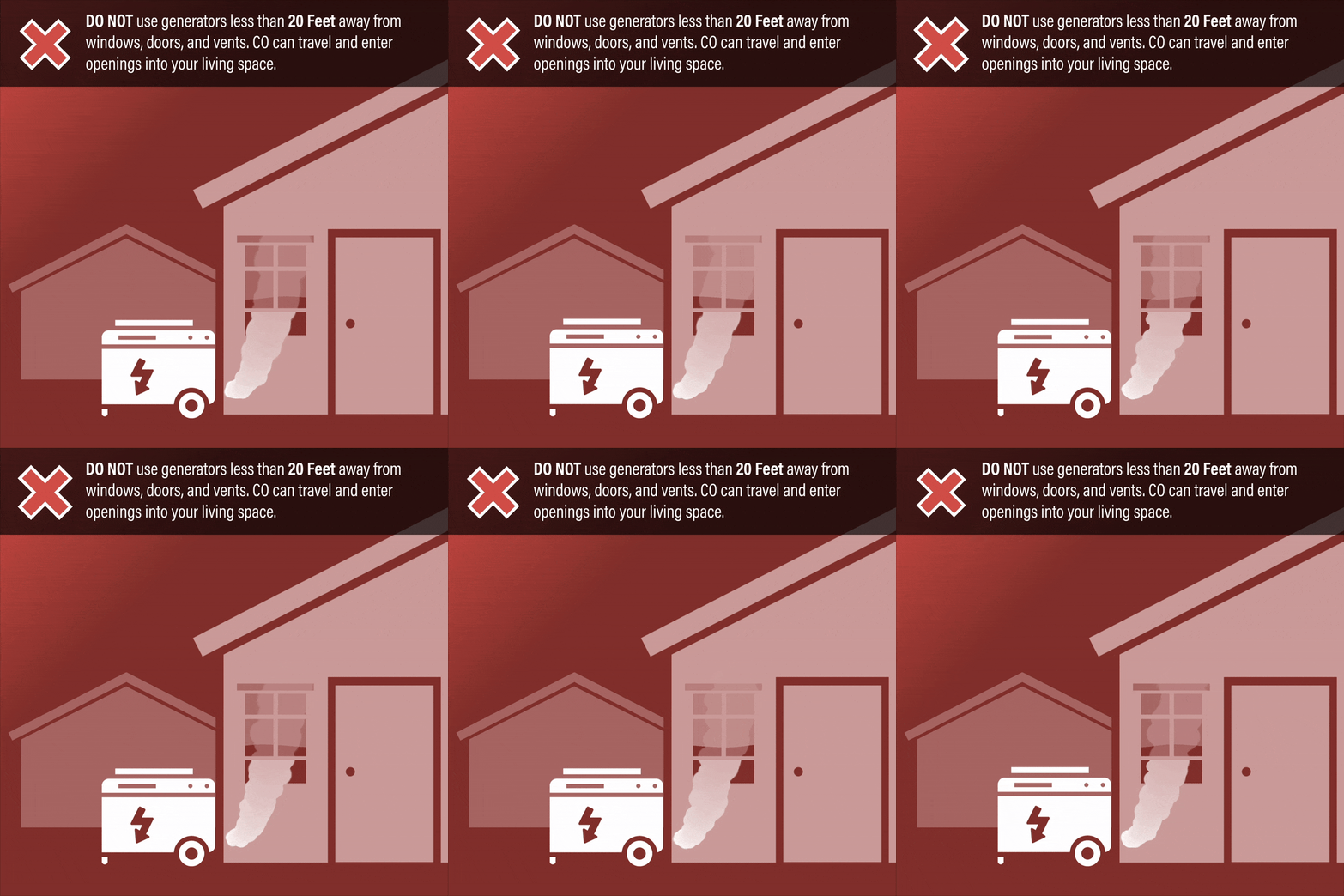
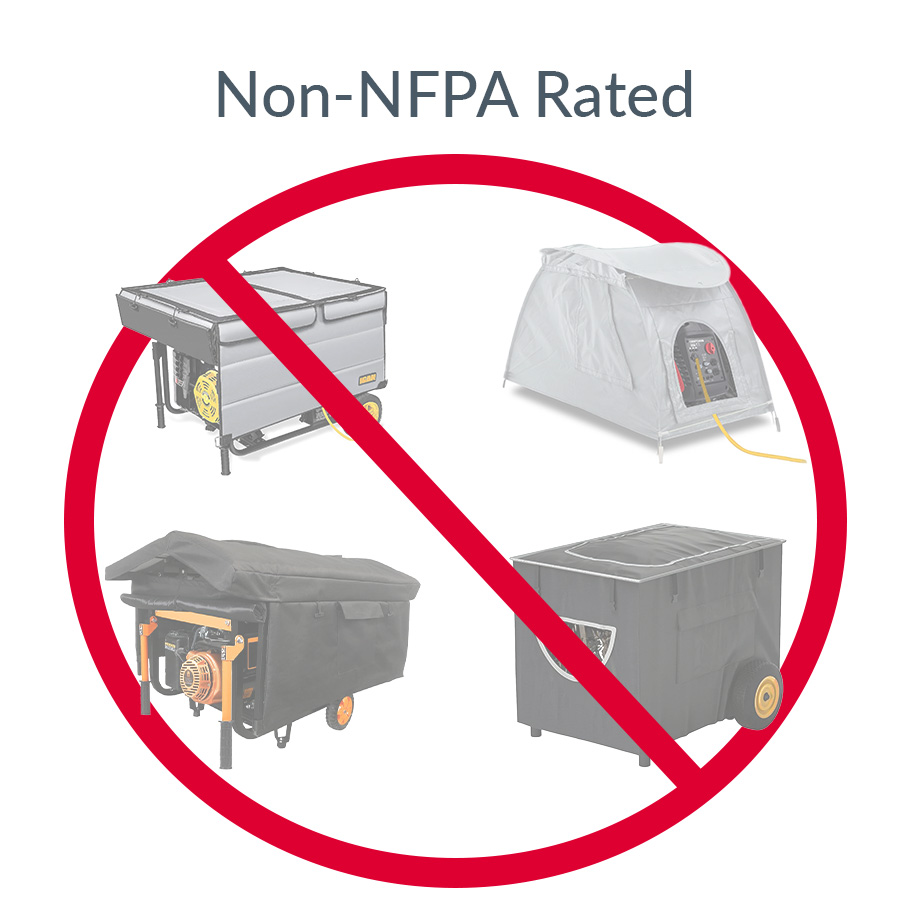
Lack of guidance on generator usage during inclement weather has led certain individuals to devise their makeshift enclosures or keep their generators in close proximity to their home, for safeguarding their generators. Regrettably, many of these makeshift solutions tend to be costly, constructed from flammable materials susceptible to ignition in the vicinity of heated exhaust emissions, or possess designs that obstruct proper carbon monoxide and heat ventilation, risking overheating the generator or triggering CO shutoff sensors. Even worse is running the generator too close to the home, such as in the garage, under the deck, or below an awning, as these instances can lead to dangerous levels of carbon monoxide buildup.
Generator Tents: the Wet Weather Solution
GenTent Safety Canopies defined the “Generator Tent” product category over a decade ago, which has proven to address many of the hazards posed from portable generator use during inclement weather, including addressing the behaviors and decisions that portable generator owners often make during wet weather.
The Portable Generator Manufacturers' Association (PGMA) promotes the Take it Outside campaign, which encourages outdoor generator use.
People are used to associating tents with the outdoors, so naturally, a tented generator belongs outdoors!
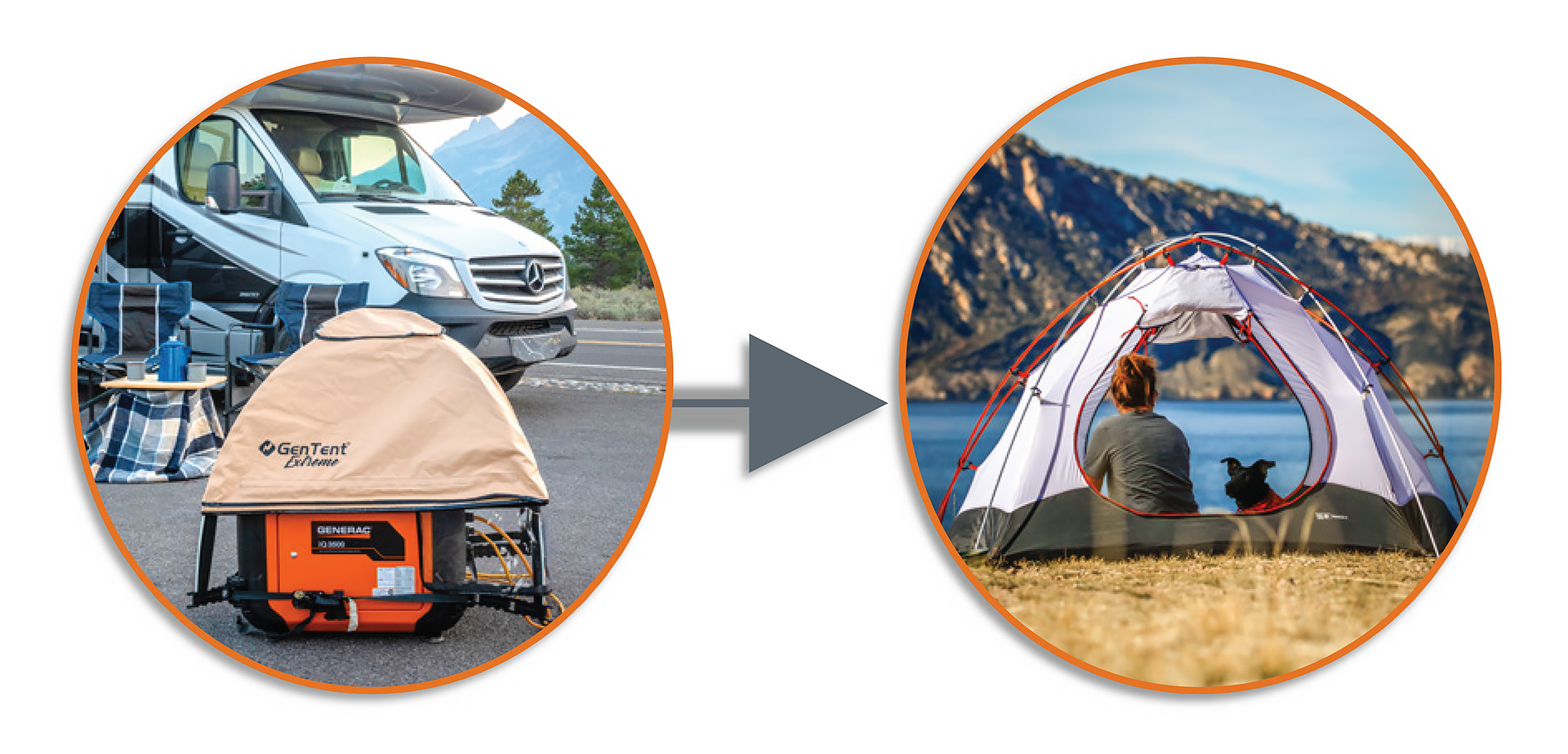
The CPSC has recently added reference to use of NFPA Rated Generator Tents in their official safety recommendations for safe portable generator use in wet weather.
GenTent: The NFPA-rated Market Leader
GenTent's NFPA-rated generator tents are made with flame retardant materials. Unlike many competitive generator running covers, GenTent product materials will not auto-ignite even when exposed to high temperature surfaces typical of a hot muffler. Engineered to withstand rain, snow and strong winds, GenTent generator covers provide excellent ventilation to prevent overheating and helps maintain access to all generator panels for ease of use and quick refueling.
With GenTent, you can ensure safe, uninterrupted power when you need it most. Browse our selection to find the right fit for your generator.
WEBINAR: Portable Generator Solutions - Safeguarding Against Carbon Monoxide, Fire, and Electric Dangers
Carbon monoxide poisoning frequently occurs as a consequence, leading to lifelong health problems or possibly even death. In June 2024, GenTent co-hosted a webinar with the National Carbon Monoxide Awareness Association (NCOAA), National Association of State Fire Marshals (NASFM), and Richard A. Battle Foundation on portable generator solutions against carbon monoxide, fire, and electric dangers. Watch the webinar to learn more.